


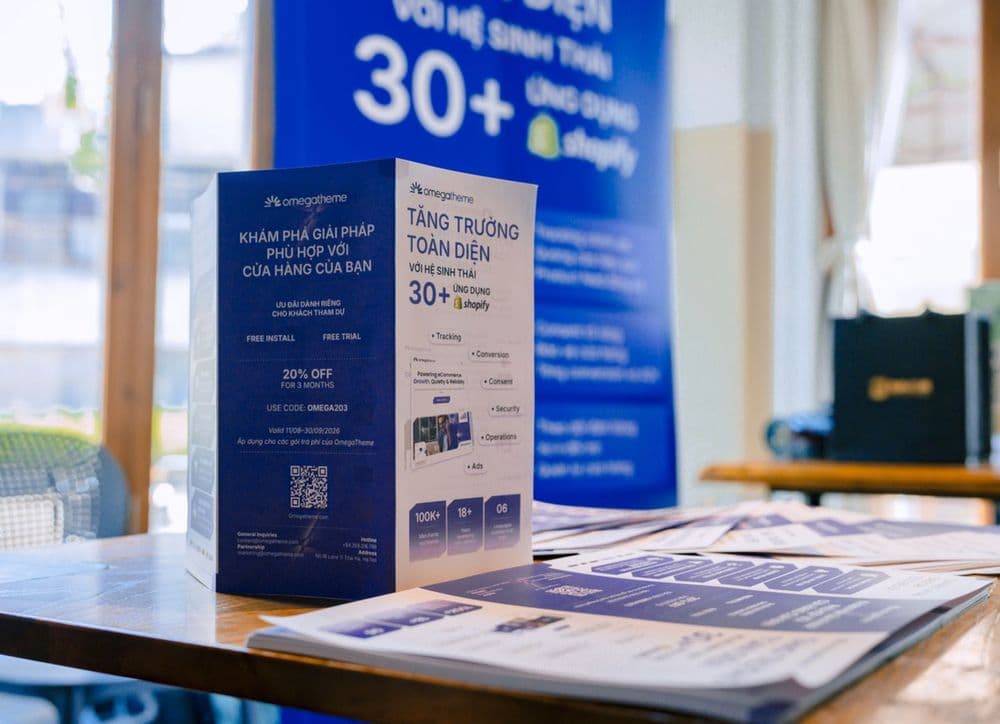
Last Saturday, we brought together a full room of EU sellers, operators, and partners for an afternoon that turned out to be less about theory and more about the parts of cross-border selling that quietly break businesses. Alongside our friends at FFOrder, Bavor, and WorldFirst, we at Omega hosted four sessions that each took on a different link in that chain - and the Q&A that ran well past its slot told us the questions in the room were real ones.
Selling to Europe is not just about traffic and conversions. Last Saturday proved it takes a lot more than that. Here is what stuck with us from each session.
FFOrder: A Q4 Reality Check on Sourcing and Stability
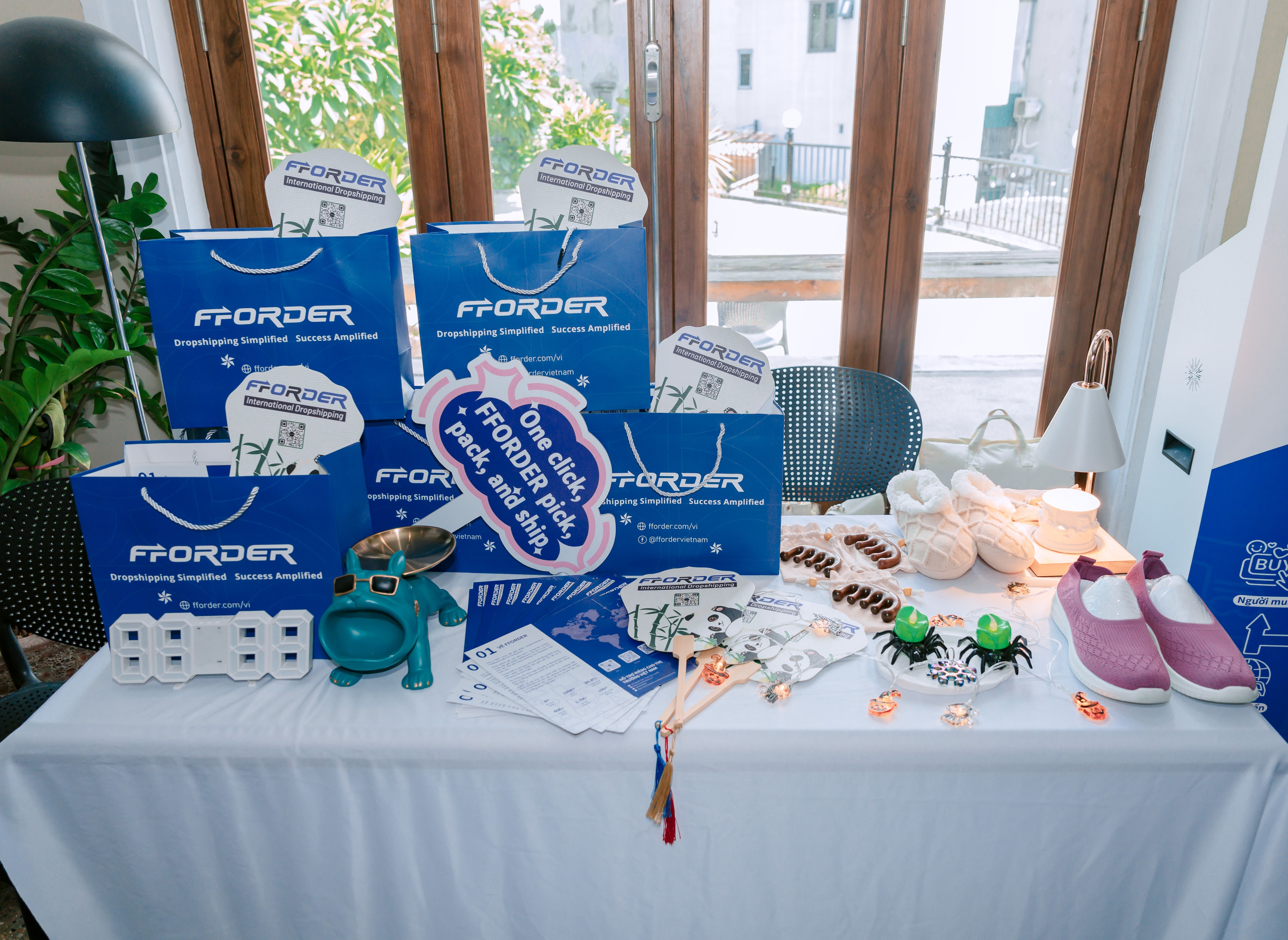
FFOrder opened by naming what everyone in the room was already thinking about - how to sell well during peak season when markets are volatile. Instead of the usual “scale your ad spend” advice, they walked through real case studies on building a sourcing foundation that holds up under pressure, rather than one that just chases short-term spikes.
That framing tracks with how FFOrder actually operates. Rather than acting as a simple matchmaker between suppliers and warehouses, they coordinate across sourcing, production, warehousing, fulfillment, and delivery - the goal being to keep delivery stable through both external volatility and business growth. Their point for Q4 was blunt: the sellers who make it through volatile cycles aren’t necessarily the ones with the loudest message, but the ones who can consistently deliver on quality, cost, and execution when the environment gets complex. For a peak season where disruption is the norm, that’s the difference between a stable quarter and a scramble.
Bavor: The Compliance Session Most Sellers Avoid Until It’s Too Late
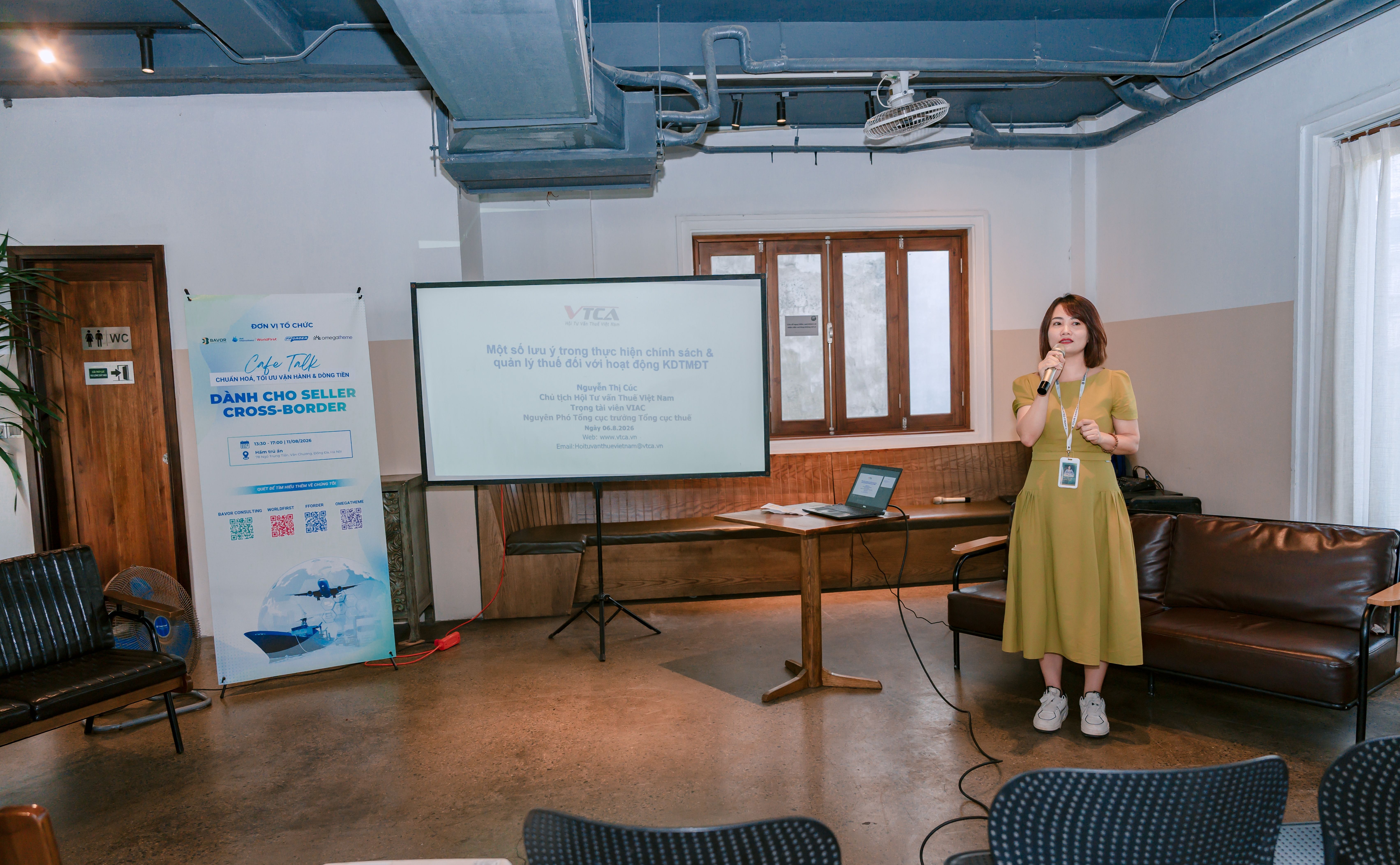
Bavor took on the part of the business nobody wants to think about until a shipment is stuck at a border - EU documentation and the latest tax regulation updates. The message was simple: one compliance error at the wrong moment can hold up an entire shipment, and this session was about making sure that never happens.
It’s a timely topic. The EU’s VAT rules for cross-border e-commerce keep shifting, and for sellers expanding into new markets, VAT compliance is the invisible hurdle that can trigger fines, blocked shipments, and even marketplace account suspensions. Recent changes add weight to it - under updated rules, a wider group of suppliers selling goods worth up to €150 are now responsible for import VAT, pushing more sellers toward the Import One-Stop Shop (IOSS), while those who opt out risk costly multiple VAT registrations across member states. Bavor’s session was about getting ahead of exactly those pitfalls before they cost a seller a peak-season shipment.
Omegatheme: Closing the Gap Between Traffic and Conversion
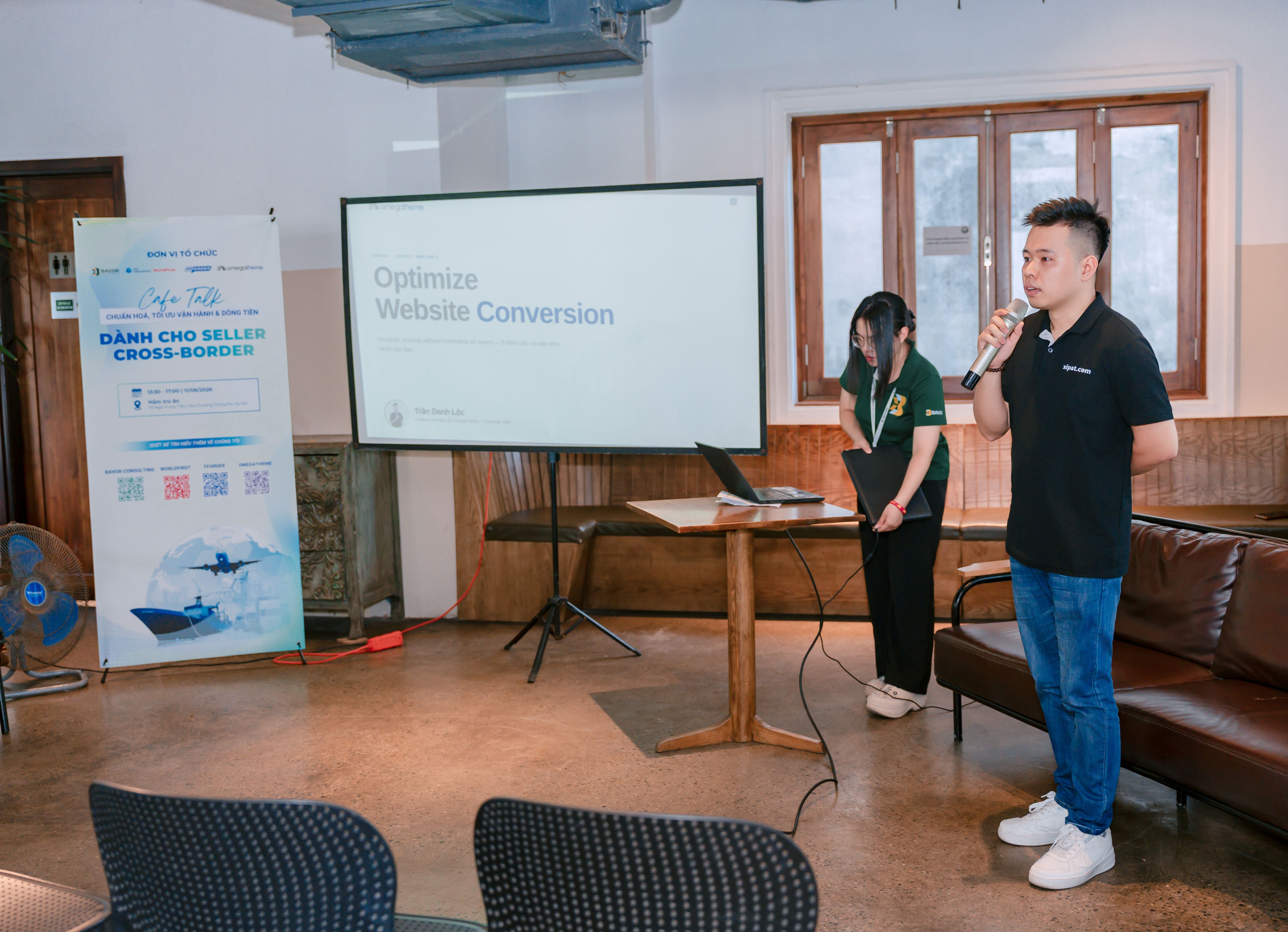
Our own session focused on the layer between a click and a completed order - website optimization built specifically around EU buyer behavior. That meant implementing a consent management platform (CMP) correctly, running Google Ads more efficiently, and closing the gap where a lot of European traffic quietly leaks away before it converts.
The point we kept coming back to: EU shoppers don’t behave like other markets. Consent handling, trust signals, and page experience aren’t cosmetic - they’re conversion levers. Getting the CMP right isn’t just a compliance box to tick; done well, it protects both your data and your funnel at the same time.
👉 If your EU traffic is healthy but conversions aren’t following, start by auditing how your CMP and page experience shape that first-visit journey - it’s usually where the leak is.
WorldFirst: Keeping Cash Flow Moving Across Borders
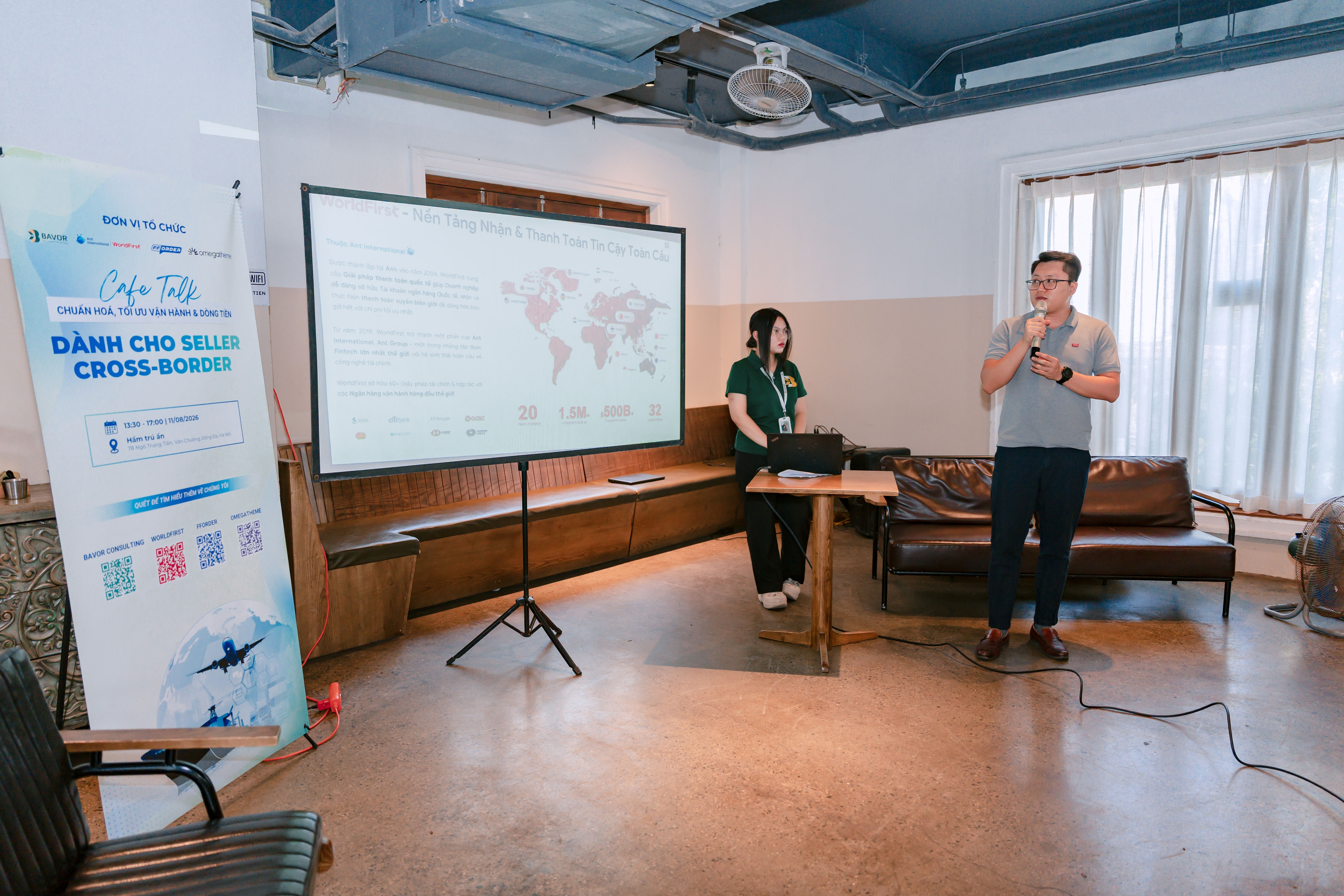
WorldFirst closed the afternoon on the topic that decides whether a good sales quarter actually turns into usable money - cross-border cash flow. They covered how to standardize fund management, cut repatriation costs, and keep money moving without unnecessary friction.
The stakes here are bigger than most sellers realize. Settlement timing, currency conversion, and payout rules determine when international revenue actually becomes usable - and automatic conversions plus repeated FX transactions quietly eat into profitability. WorldFirst’s answer is infrastructure built for exactly this: a multi-currency account that lets businesses receive and pay across 100+ currencies with direct integration into 130+ online marketplaces. The core idea they left the room with — that holding and using foreign currency where possible gives you more control over timing and cost - is the kind of thing that adds up to real margin over a year.
The Theme That Tied It All Together

Put the four sessions side by side and a pattern emerges. Traffic and conversions are the visible part of selling to Europe. Underneath sit sourcing stability, compliance, on-site experience, and cash flow - and any one of them, left unattended, can undo the rest. That’s why the Q&A ran long: these aren’t abstract problems, they’re the ones sellers are actively wrestling with right now.
A big thank you to every merchant, operator, and partner who showed up and made the afternoon worth having - and to FFOrder, Bavor, and WorldFirst for bringing the expertise that made each session land.
If you were in the room, we’d love to hear which session hit closest to home. And if you missed it - keep an eye out, because there’ll be more.